
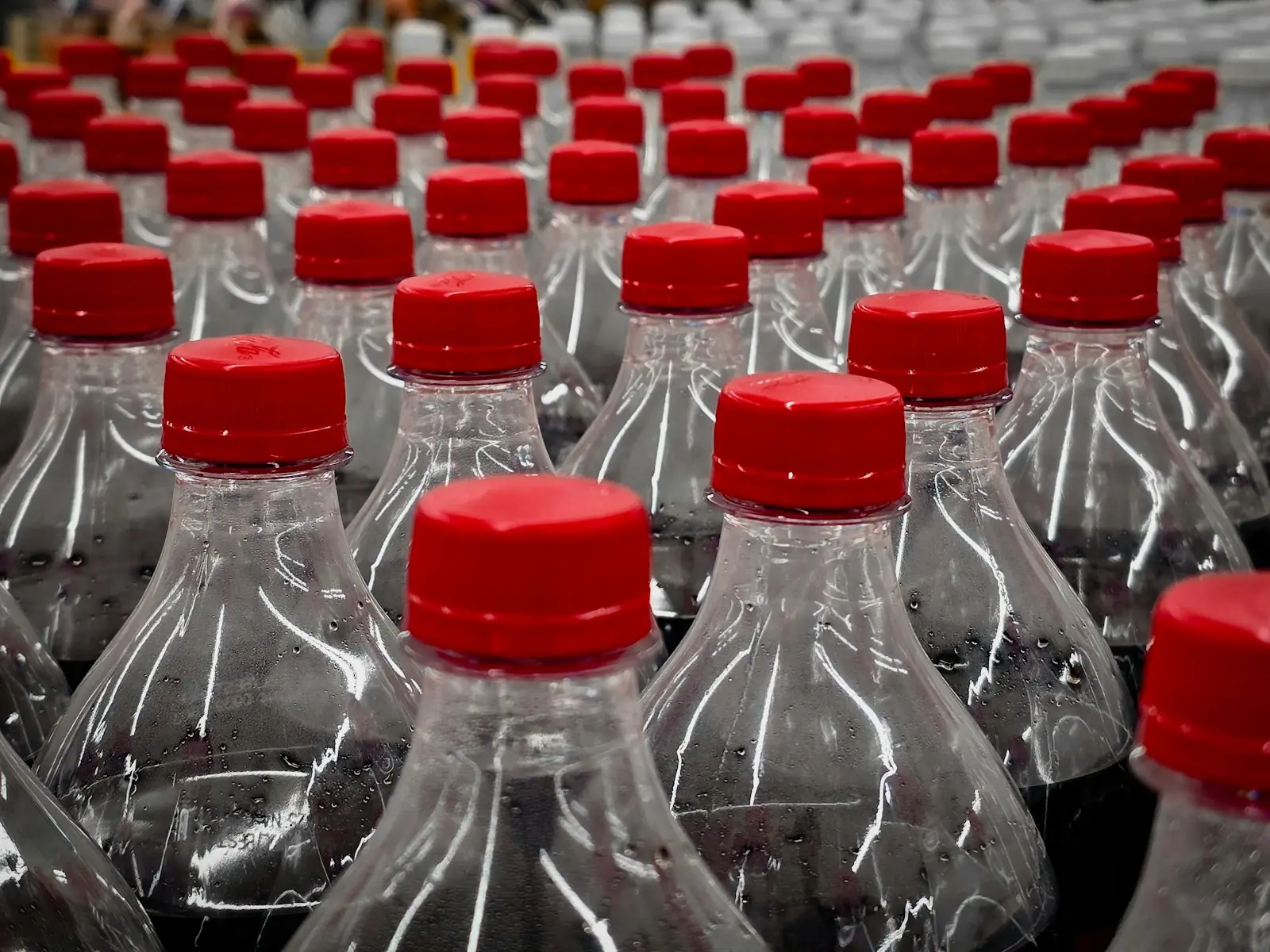
What matters when choosing a preform
Dissolved carbon dioxide presses on the bottle, especially in the heat. A thicker wall and the right base shape hold the pressure without bulging or leaks.
Soft drinks use a petaloid base. The blow mould sets its shape, while the preform has to supply enough material at the bottom.
Both PCO 1881 and PCO 1810 work for carbonated drinks. The choice depends on the caps and capper on your line.
Carbon dioxide slowly passes through a PET wall. A thicker wall helps the drink stay fizzy for longer.
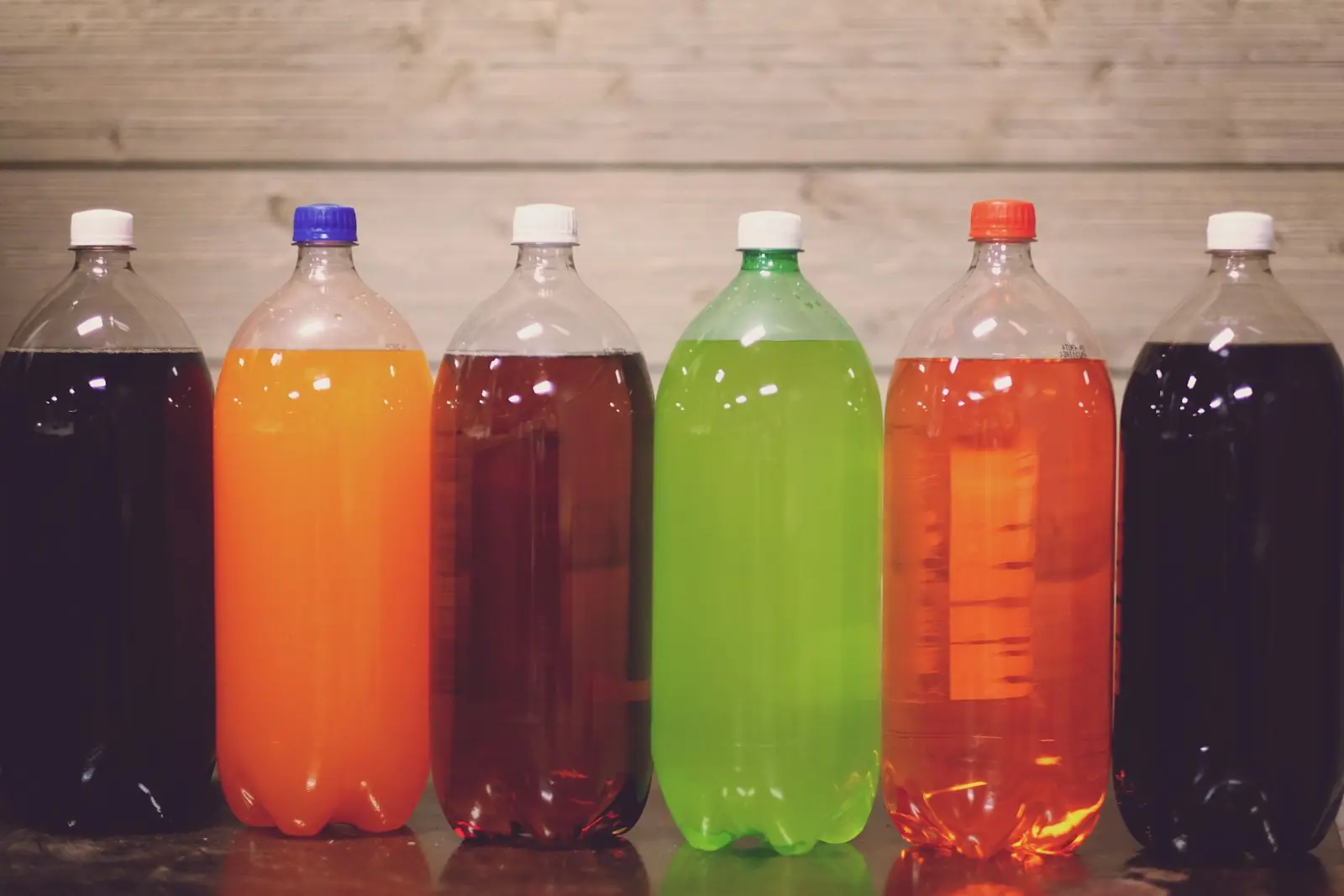
Recommended preforms
By bottle size. The first item in each group is recommended; the others also work.
Open the selectorCommon questions
Will 21.7 g work for a 0.5 L soft drink?
For lightly carbonated drinks with good blow moulder settings, yes. For normal carbonation we suggest 24 g.
Which is better for soft drinks: PCO 1881 or PCO 1810?
Both hold the gas. PCO 1810 is chosen if the capper is set up for 1810 caps; PCO 1881 is lighter and cheaper per bottle.
Do soft drinks need special PET?
Bottle-grade PET is used. All our items are made from virgin PET with no recycled content.
We will match a preform to your product
Send the drink, bottle size and the neck on your line. We will reply with a recommendation, price and lead time.
