
Why autumn throws off summer settings
In October, Shymkent and Turkestan Region still get warm days, but nights and mornings are noticeably cooler. An unheated plant cools down overnight, and so do the preform boxes in the store. The first preforms in the morning enter the oven colder than those after lunch, and settings dialled in during a hot July start giving different bottles at the start and end of a shift.
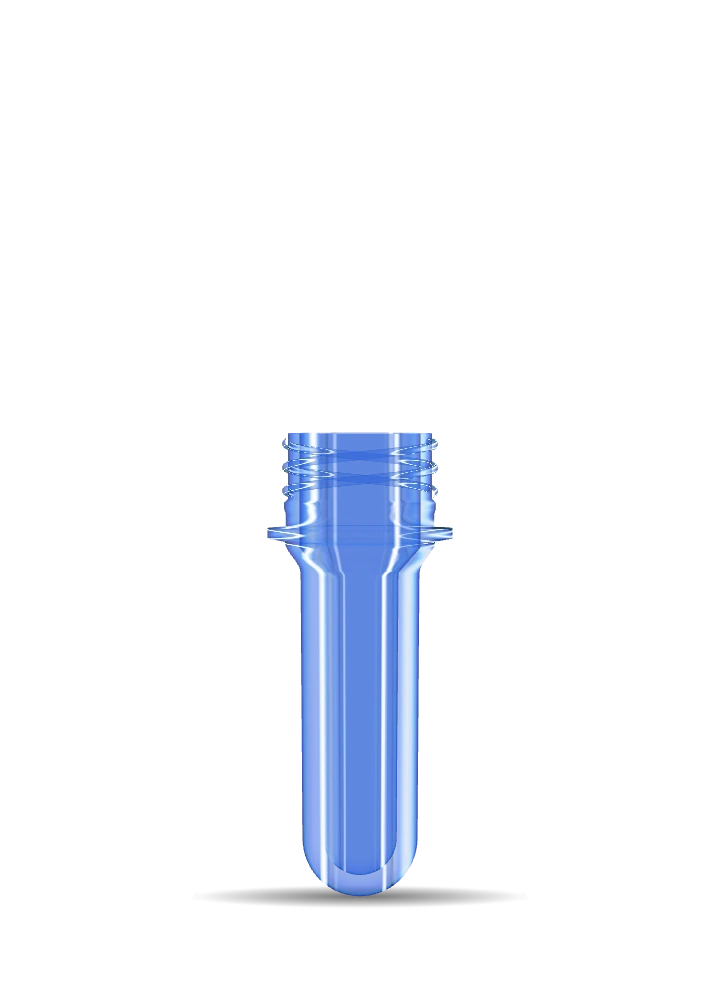
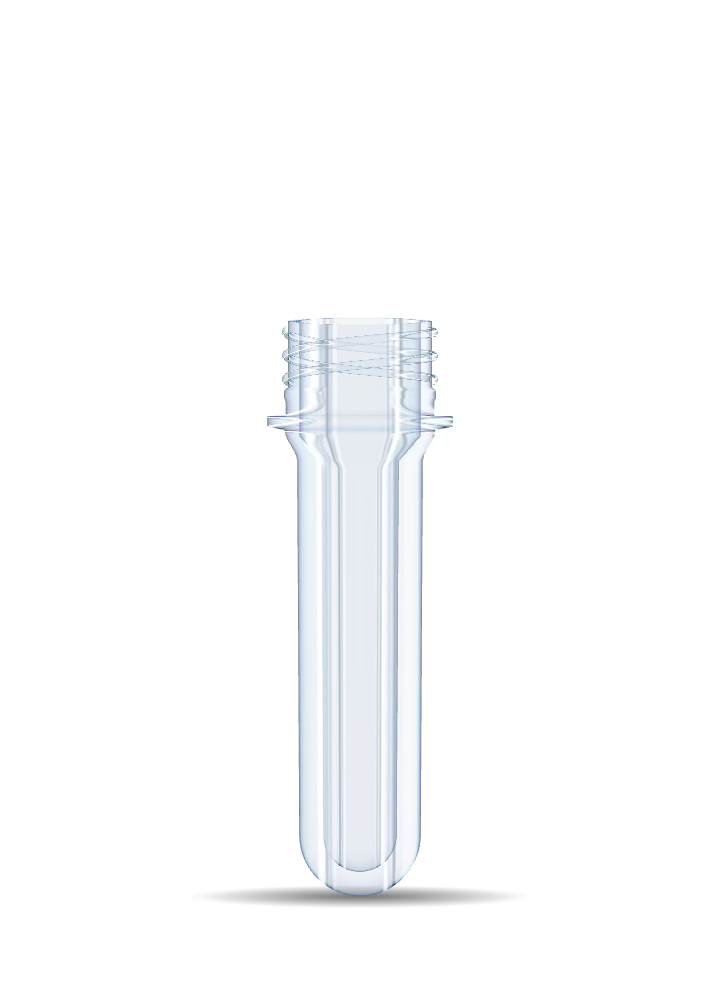
The preform itself does not change in autumn. What changes is its temperature at the oven inlet, the air around the oven and the humidity. So a seasonal re-tune is not a repair but planned work, best done once in early October rather than fighting rejects every morning.
Preform temperature at the oven inlet
The blow moulder oven has to bring the preform body into the blowing window of roughly 95-110 °C. The colder the preform at the inlet, the more heat it needs in the same time. If lamp power is still on summer settings, the body heats less, especially the inner layer of the wall, and the material stretches poorly.
Required temperature rise = blowing temperature - preform inlet temperatureExample: blowing at about 100 °C, a summer preform at 30 °C needs a 70 °C rise, while a cold morning preform at 10 °C needs 90 °C. That is roughly 29% more heat in the same oven time.
Wall thickness makes the effect stronger. Heavy preforms with a thick wall, such as 39.4 g and 40 g for a 1.5 L bottle, take longer to heat through, and the gap between the outer and inner layer is larger. Light 0.5 L items respond to heating changes faster, so adjust them in small steps.
Humidity, condensation and compressed air
Humidity rises in autumn and the temperature gap between store and shop widens. Open a cold box in a warm, humid shop and condensation forms on the preforms. Droplets evaporate unevenly in the oven and upset heating. A second, less obvious source of moisture is the compressed air line, where condensate builds up faster in cold weather.
| What changes in autumn | What you see on the bottle | What to do |
|---|---|---|
| Cold preforms at the inlet | whitening, pearly sheen at the shoulder | condition the batch, add heat in that zone |
| Morning vs afternoon gap | bottles differ between start and end of shift | scheduled checks, morning and daytime corrections |
| Condensation on preforms | spots, uneven wall | keep boxes closed until warm |
| Draught at the oven from doors | uneven thickness around the bottle | close doors or fit a screen |
| Condensate in the air line | unstable pre-blow, droplets in bottles | drain condensate, check the dryer |
| Colder mould cooling water | moisture on the mould, marks on bottles | check moulds for condensation |
Storage and feeding preforms to the line
Half of autumn problems are solved not in the oven but in in-plant logistics. If the boxes for the morning shift spend the night in a cold store or by the doors, no setting will make the first bottles match the afternoon ones. Simply change how boxes reach the shop:
- bring the boxes for the morning shift into the shop the evening before;
- keep them closed until the preforms reach room temperature;
- keep boxes away from doors, heaters and the wet rinsing area;
- use batches in order of arrival and log the batch number in the shift record.
In autumn the task is the opposite: stop the batch from cooling down before blowing.
An autumn re-tune, step by step
In the south of Kazakhstan, early October, after the season, is a good time for the re-tune. The golden rule: change one parameter at a time and check the result on the bottles.
- 01Stabilise the inlet
Bring boxes into the shop in advance and keep them closed until the preforms reach room temperature. Then morning and afternoon preforms enter the oven alike.
- 02Stop draughts
Close doors near the oven or put up a screen. A cold air stream cools one side of the preform.
- 03Check the compressed air
Drain receivers and filters and check the dryer. Moisture in the air upsets the pre-blow.
- 04Add heat zone by zone
Start with overall power, then adjust the zones showing whitening or a heavy base. Small steps, with test bottles after each one.
- 05Re-check the pre-blow
If material stays at the bottom, move the pre-blow timing.
- 06Save an autumn recipe
Record the settings for each preform item separately. Next spring and next autumn you start from a ready recipe.
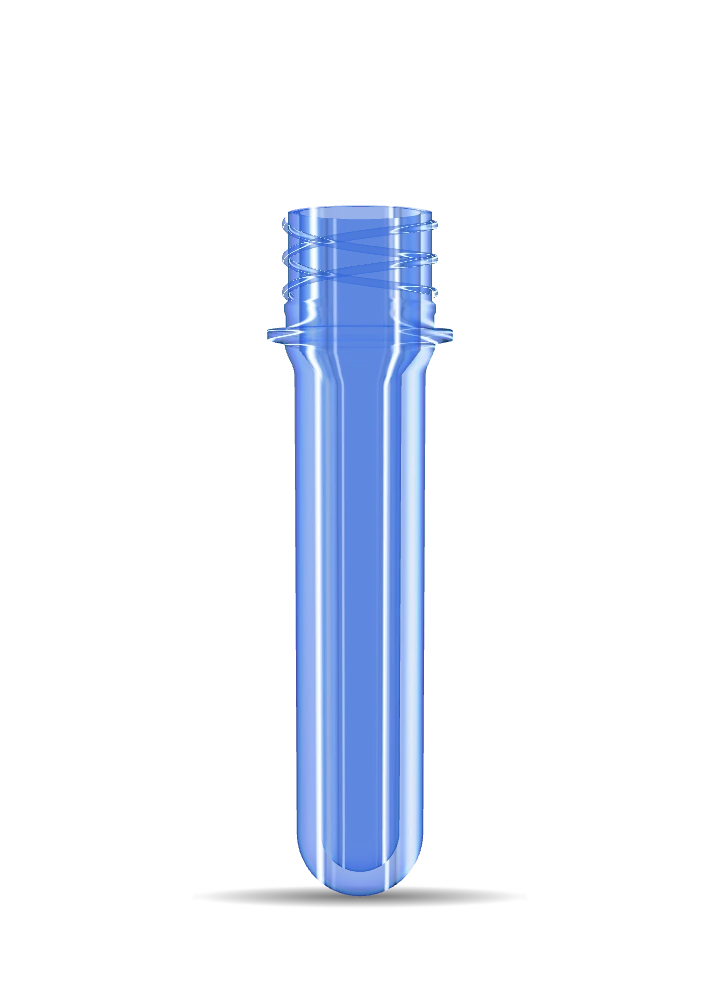
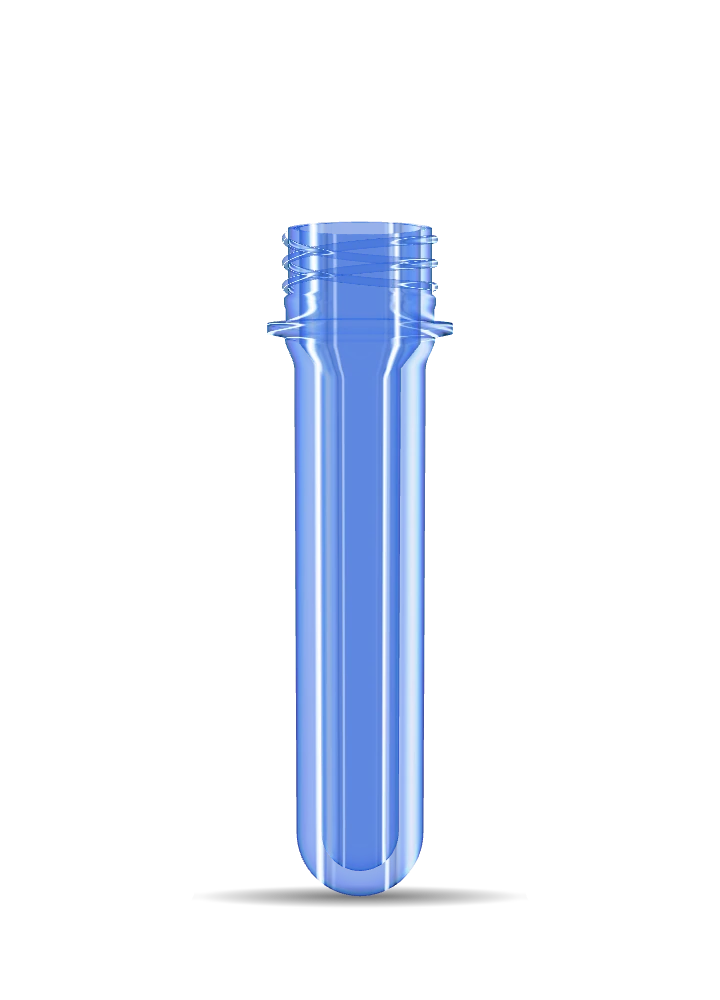
Checking the first bottles
In autumn the first bottles of each shift and the first ones after a new batch tell you the most. Checking takes a few minutes and saves hours of rejects. You will need scales and calipers.
Ticks are saved in this browser.
The preform is the same in autumn as in summer. What changes is its temperature at the oven inlet, and that is what to stabilise first.
Questions and answers
How long should preforms be conditioned in autumn?
Until they reach shop temperature. If boxes spent the night in a cold store or truck, it is safer to condition them for 24 hours, as in winter, and keep them closed until then.
Do we need a different preform for autumn?
No. The preform stays the same; heating settings and shop conditions change. There is no need to switch weight for the season.
Can we put boxes next to a heater to warm them faster?
Better not. Boxes should be kept away from heating: preforms warm unevenly, and the hot side can get close to the glass transition temperature.
Why are bottles worse in the morning?
In the morning both the preforms and the air around the oven are colder. Even out the inlet temperature and stop draughts, and the morning-afternoon gap will shrink.